Why it matters
Why do power grids matter?
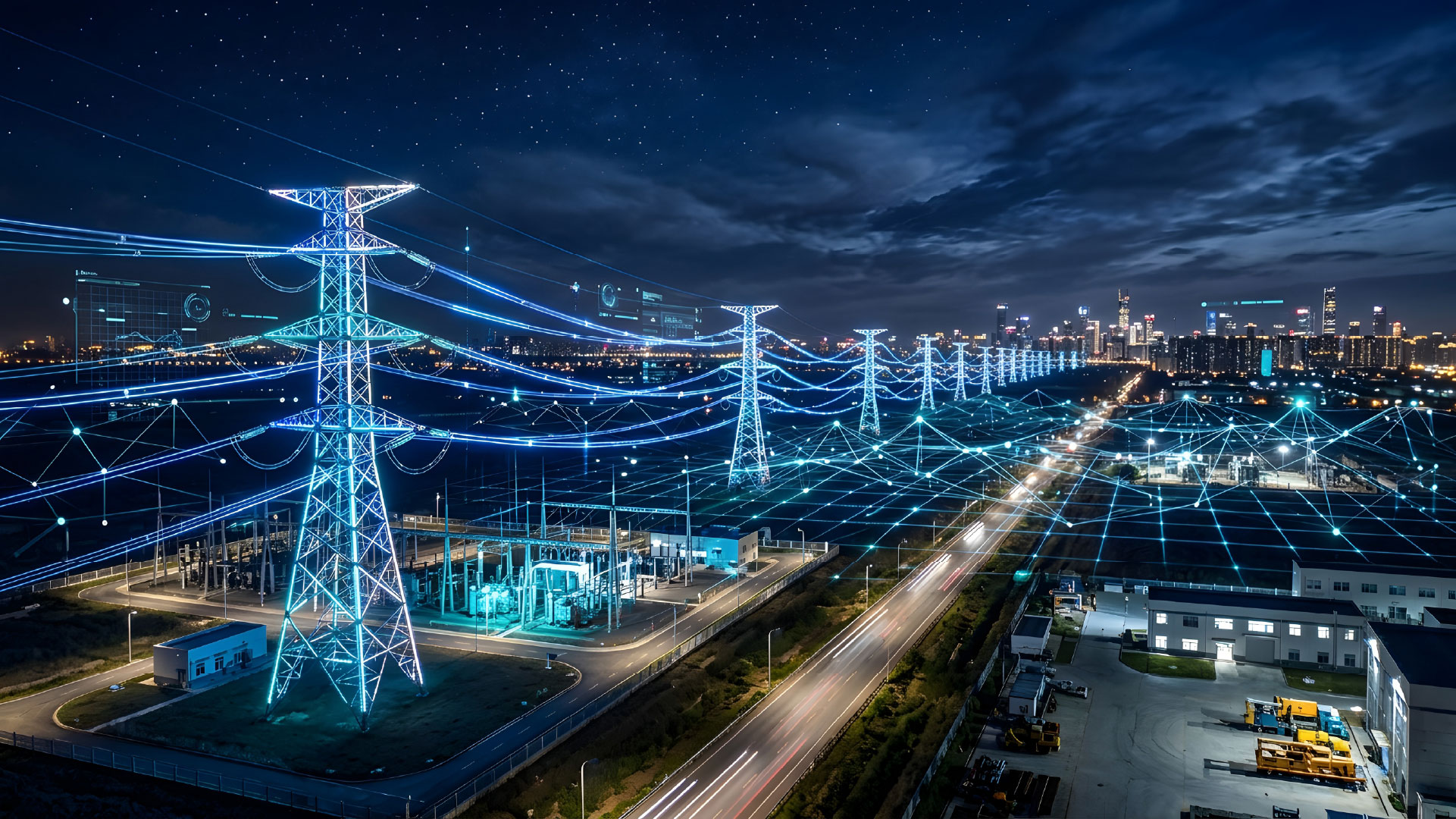
Behind every light switch, every charged car and every humming factory sits one of the largest machines ever built: the electricity grid. For over a century the grid has carried human progress and today it is the world’s biggest lever for the next chapter of it. Modern, well-designed and well-run grids mean reliable, affordable power, less dependence on volatile fossil fuel markets and room for the cleanest and cheapest sources of supply to do more of the work.
As economies grow, populations expand and electricity powers more of daily life – heating and cooling buildings, charging cars or running factories – the grid is no longer background plumbing. It’s the launchpad for the next era of growth. Humanity has built it before. Earlier generations made grids that wired whole nations. Now is the time to move to the next level, bringing grids into the 21st century.
Sector perspectives
Each sector needs specific things from the grid, but can offer services to the grid as well to help it run more reliably and cost-effectively.

Security
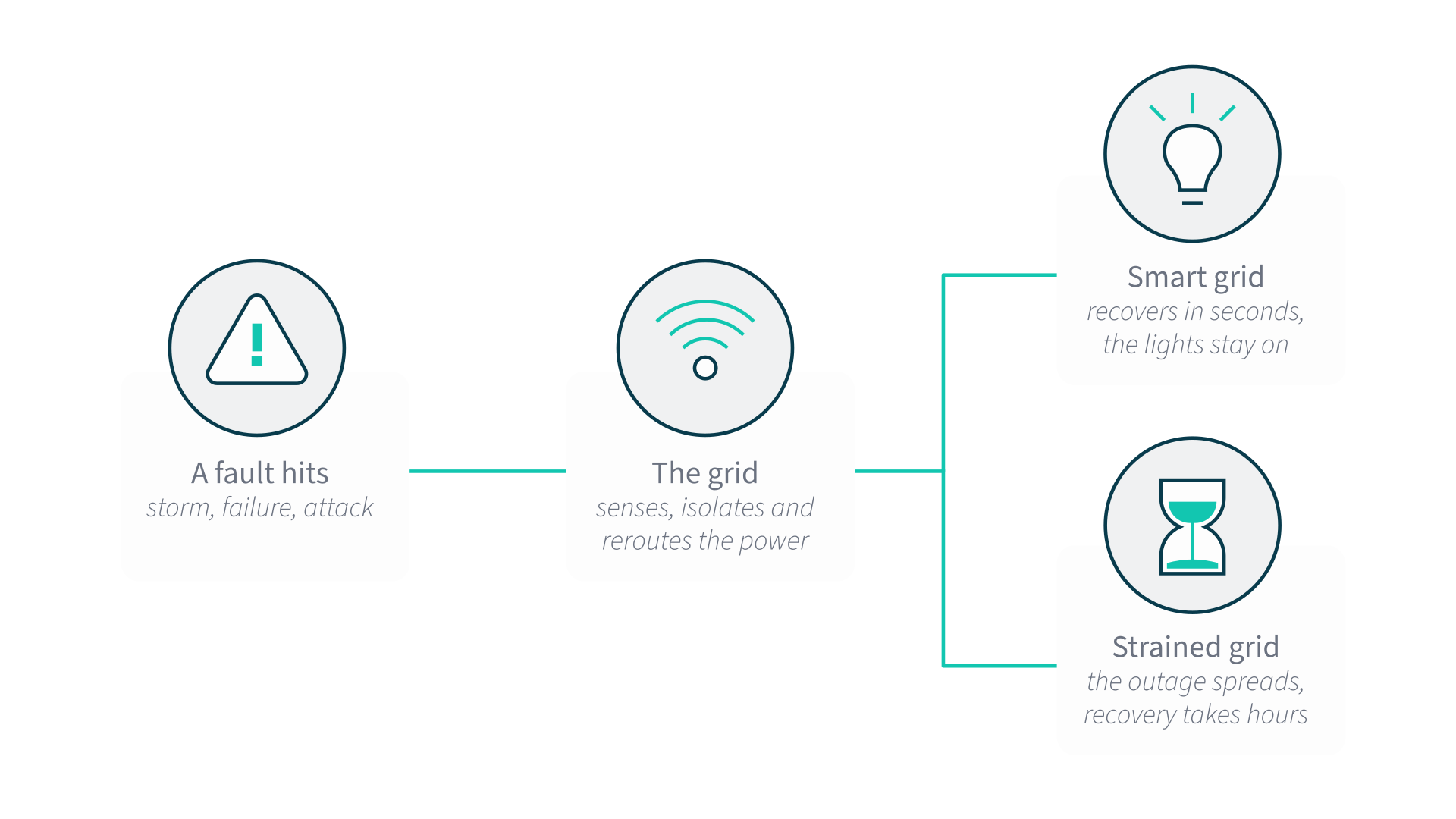
Reliable power is the quiet foundation of everyday life – comfortable homes, hospitals that stay open, businesses that keep running. Maintaining energy security means keeping that power on every day and building a resilient system that recovers quickly when supply shocks, extreme weather, equipment faults or cyber-attacks occur. A modern grid does both. It integrates growing supply from more varied sources and carries it to fast-growing demand, so the system has enough to draw on when it is needed. And when trouble comes, a smart grid senses it, isolates it and reroutes power around it – keeping the lights on for the people and services that depend on them.
With the right tools in place – smart digital controls, fast fault isolation, local energy storage and flexible demand – a grid can recover within seconds and lean less on any single point of failure, or on costly imported fuels exposed to global energy disruptions. Regional interconnections and distributed resources add further layers of protection: neighbouring systems can back each other up, and a factory, a water heater or a parked electric car can help hold the system together when it is under strain. Together they allow more of a country’s own clean electricity to be used, reducing dependence on fuel imports. The payoff is a system that societies can count on: power that is there when it is needed, prices shielded from shocks, and the confidence businesses and investors need to build for the long term.
Competitiveness
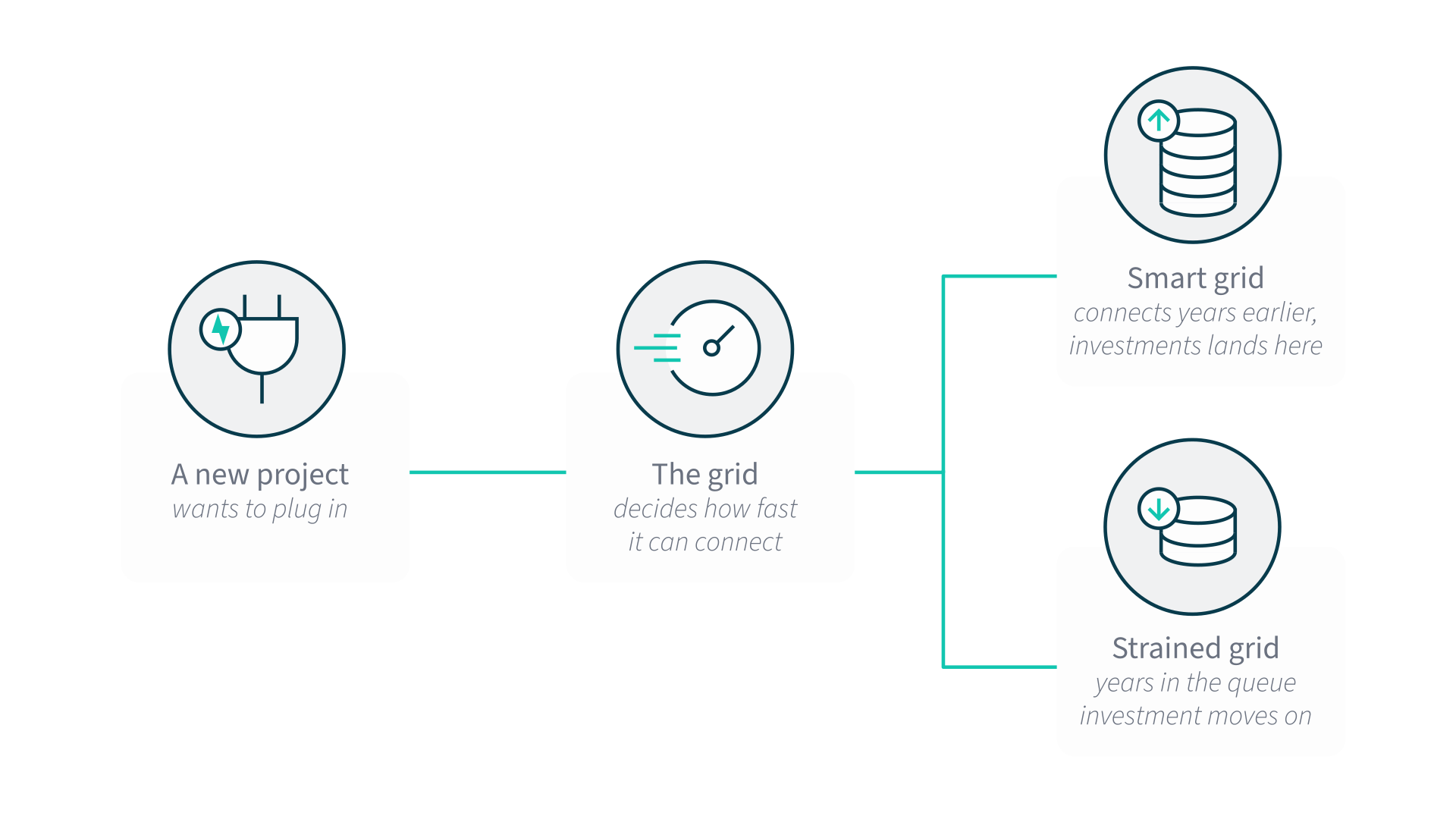
In an age of growth, when every factory, data centre, electric fleet, household or small business wants to plug in, planning, building or freeing up new grid capacity increasingly decides how fast economies can grow. The speed of getting a connection directs investment and job creation, and helps determine the regions that will harness the next wave of industry. Operational upgrades can release grid capacity sooner than new lines. Price is no longer merely a headline. Electricity costs for energy-intensive industry differ widely between major economies, and firms weigh those differences when they decide where to locate. Where taxes and grid charges fall more heavily on electricity than on the fuels it replaces, they hold back electrification that would otherwise pay for itself. A modern grid keeps power cheap to deliver and shields local industry from global fuel-price shocks. Reliability becomes intrinsic to the bargain.
On the supply side, coordinated planning connects low-cost clean energy and storage quickly, so cheap power gets moving to its users fast and reliably. On the demand side, flexibility is a competitive asset in its own right: industrial users, buildings and fleets that can shift their demand help the system run economically, get connected sooner, and can earn from the services they provide. Planning local grids ahead of need lets them absorb electric vehicles, clean heating and cooling, and new industrial loads without holding back expansion. Countries that get this right won’t just keep pace – they’ll be first movers, attracting investment and turning smarter infrastructure into lasting growth.
Affordability
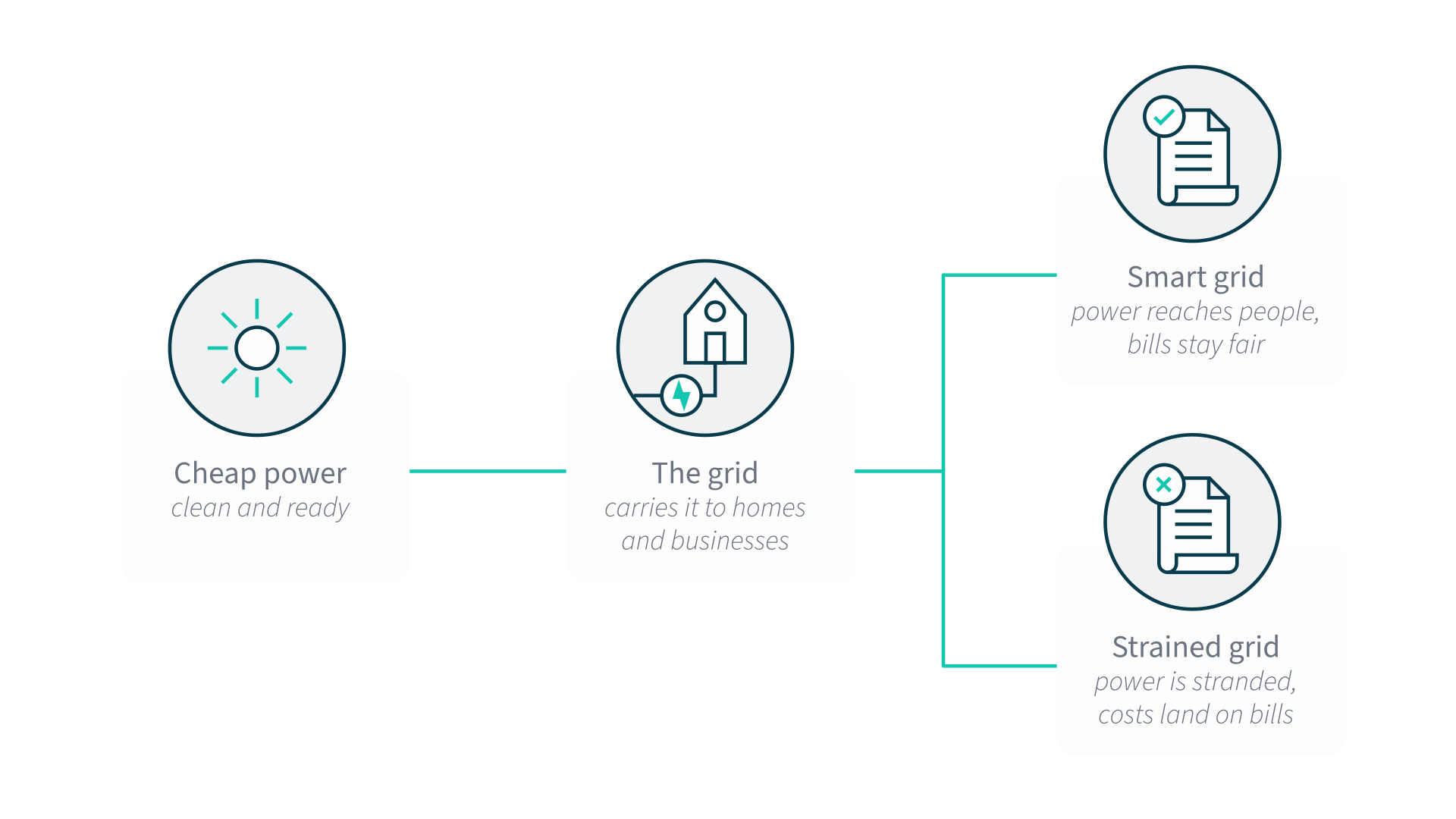
Clean electricity is now among the cheapest power ever produced, and a well-run grid is what puts that low-cost energy within reach of families and businesses alike. When the grid can carry affordable power to where it’s needed, households see fairer, more predictable prices. The grid is the bridge between cheap energy and everyone who stands to benefit from it. Currently, however, that bridge is too often the bottleneck. Where connection queues stall and lines go unreinforced, cheap clean power gets stranded, and the system falls back on expensive emergency generation and over-built infrastructure. These costs eventually land on ordinary bills. Planning smarter grids today will maximise the use of existing lines for decades to come.
Flexible demand is one of the biggest levers: when factories, buildings and electric vehicles can shift some of their usage to hours when power is cheap and lines have capacity, the grid works harder for the same money. It means plants and lines built only for a few peak hours a year are no longer needed. Building for future capacity and using flexibility wherever it is cheaper will allow large volumes of cheap, clean energy to flow smoothly, resulting in lower costs for households and businesses. Affordability is also a question of fairness. Modern grids make it possible to share costs transparently and to protect those least able to absorb change as tariffs and technologies evolve. They open the benefits – lower bills, local ownership, and the skilled local jobs that building and running a modern grid creates – to everyone.
The tools exist, now so does the playbook
Too often though, progress is too slow. Where investment, planning and permitting fall behind, grids risk becoming bottlenecks. Many systems still run on planning and operating practices designed for a different power-system era – a great achievement for the time but built for a world with fewer sources of supply, fewer users able to respond and far less riding on electricity than today.
The costs show up in three ways. Power that is less secure, as systems stretched to their limits have fewer ways to absorb shocks. Power that is less competitive, as connection queues stall new businesses and the electrification of existing ones. And power that is less affordable with
costs undistributed that rise for everyone, landing hardest on those least able to bear them. Modern grids can change all three.
The tools to clear these bottlenecks already exist: anticipatory planning integrated across sectors and borders; faster, fairer permitting; smarter use of existing lines; flexible demand that makes the whole system cheaper to run; and real partnership with the communities and customers the grid serves. What’s missing is a shared playbook. By turning the hard-won lessons from across the world into one practical, action-oriented toolkit, we can give policymakers, planners and communities a clear path to move faster, together. The grid built the world we know. A modern one will power the societies of tomorrow.